

Types of Holistic Therapy
A holistic therapist may employ a wide range of modalities to foster growth and healing in a person. These modalities include:
When most people get sick or have a condition that they need to manage, many turn to doctors and therapists to give them clinical interventions and medication. However, while those two things can address the symptoms and the disease to promote physical health, those approaches fall short when addressing a person’s emotional and spiritual well-being.
Holistic therapy may fill these gaps by treating the mind, body, and spirit using alternative medicine. Kembali believes that addressing the soul as well as the mind and body is essential for mental health, substance abuse, and process addiction. Our programmes integrate mindfulness practices and evidence-based techniques to treat the person as a whole, ensuring tailored care for Australians seeking recovery in Bali.
Instead of treating symptoms, holistic therapy addresses the whole person, mind, body, emotions, and spirit to encourage healing and healthy living. Holistic medicine emphasises life’s interdependence to create balance, harmony, and healing.
Rooted in principles laid the foundations by Hippocrates, this form of holistic care combines psychology, nutrition, and alternative practices validated by strict sourcing guidelines and relies on peer-reviewed studies. Since ancient times, it has aimed to address a person’s health by blending complementary strategies for lasting wellness.
A holistic therapist may employ a wide range of modalities to foster growth and healing in a person. These modalities include:


This therapy uses art to help people understand their feelings, share their thoughts, and promote healing and self-awareness. Art therapy can help people cope with worry, anxiety, sadness, and other mental health issues. At Kembali, many people engage in art therapy to understand themselves better and improve their mental health by being creative.

This ancient Chinese method uses thin needles placed at certain spots on the body to help energy move and support recovery. Acupuncture for addiction is commonly used to ease pain, lower anxiety, and enhance general health. Our acupuncturists use traditional Chinese medicine and current science to help clear your mind and treat ailments like fatigue.
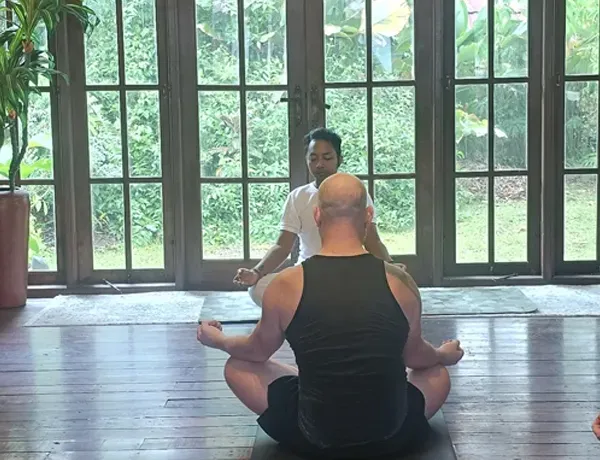
This old technique helps you focus your thoughts and develop awareness, mindfulness, and being present. Meditation methods can be different, including focusing on your breath, following guided images, practising loving-kindness, and repeating a phrase. Our meditation programmes, led by Balinese healers, help lower worry and improve depression, allowing guests to regain internal harmony.


This form of holistic therapy involves using plant-based remedies, herbal supplements, and other natural substances over mainstream pharmaceuticals to support health and wellness. Herbal medicine may address various health concerns, including digestive issues and sleep troubles like insomnia, boost immunity, and manage stress associated with addiction. Our herbalists create personalised blends using diluted substances like ashwagandha that help to reduce sleeplessness and enhance mental clarity.
Holistic treatments can have a wide range of benefits that can enhance multiple aspects of a person. Some of the benefits of a holistic approach to treatment include:
By addressing mental and physical factors, holistic therapy offers researched benefits that go beyond symptom management. Studies show that combining mental health strategies with yoga or meditation improves outcomes for posttraumatic stress disorder and addiction.
Holistic healing empowers individuals to be active participants in their addiction recovery journeys. Our small-group settings (max eight clients) foster trust, helping people unlock their innate capacity for resilience and growth.
Many holistic approaches, such as meditation, yoga, and mindfulness practices, are effective in managing stress and helping people relax. Reducing stress levels can positively impact mental and emotional health and well-being. Managing stress can reduce depression and anxiety and improve the quality of life for clients in recovery.
Holistic techniques such as art therapy, music therapy, and talk therapy can help individuals process emotions, improve mood, and develop healthy coping strategies for managing stress, anxiety, depression, and other mental health concerns. Weekly art sessions in Ubud’s cultural hubs blend creativity with Balinese spirituality, enhancing emotional healing.
Acupuncture, massage treatment, and dietary recommendations can help improve a person’s physical health by easing pain, enhancing blood flow, strengthening the immune system, and supporting good nutrition. We provide weekly scuba diving trips that help refresh the body. This is a special part of our therapy approaches for Australians seeking addiction treatment in Bali.
Holistic treatments can help address a wide variety of concerns. Some of the concerns that alternative therapies can be used to address include:

Alternative forms of therapy may seem alien or exotic, but rest assured, they have helped thousands of people for years. Long before some mental health concerns even had names, different techniques were used to provide people with relief.
At Kembali, we want to give you the tools you need to overcome your challenges. The ability to do so is already in you, and we’ll use a variety of approaches to help you unlock it.
Speak to our team to find a therapist or explore frequently asked questions about how our integrative programmes, rooted in complementary and alternative medicine, can support your journey. Contact us now to begin.