
Written by
Kembali Team
In-house Team Member
- Published December 26, 2025
- Updated August 26, 2026
- 10 min read
Marijuana use is more common and socially accepted than ever before. While many consider it to be relatively low-risk, the reality is more complicated. If you’re beginning to question your own use or are worried about someone close to you, it’s important to understand what addiction really looks like.
In this post, we’ll explore some eye-opening marijuana addiction facts, including how cannabis affects the brain and body, why some people are more vulnerable than others, and where you can find help.
Marijuana Addiction Facts to Know About
Cannabis Is the Most Widely Used Illicit Drug
Cannabis remains the most commonly cultivated, trafficked, and abused illicit drug in the world. According to the World Health Organisation (WHO), around 147 million people globally, which is nearly 2.5% of the population aged 15 to 64, report using marijuana each year. This makes cannabis use more prevalent than any other illegal drug worldwide.
About 1 in 10 Cannabis Users Will Develop an Addiction
Research shows that marijuana carries a real risk of addiction. About 1 in 10 adults who use cannabis will develop a cannabis use disorder, which includes dependency and withdrawal symptoms. Those who begin using before the age of 18 face a 1 in 6 chance of developing an addiction. This underscores the importance of delaying first use and understanding potential risks.
Starting Young Significantly Increases the Risk
Age of first use plays a major role in the likelihood of developing marijuana-related problems. Research consistently shows that starting marijuana use during adolescence raises the risk of both health and psychosocial issues. Adolescents who use cannabis are also more likely to develop a substance use disorder later in life compared to those who start as adults.
High-Potency Cannabis Carries Higher Mental Health Risks
Over the past decade, the average THC content, the main psychoactive ingredient in cannabis, has increased significantly. This rise in potency has been linked to poorer mental health and a higher risk of anxiety, depression, and hallucinations. Studies found that frequent use of high-potency cannabis was associated with a greater likelihood of developing psychosis or a psychotic disorder.
Cannabis Legalisation Is Expanding Around the World
As of 2025, over half of Americans live in states where recreational marijuana is legal and regulated. Globally, nearly 300 million people now live in countries with legal markets. Some countries allow regulated non-profits to grow and distribute cannabis, while others are testing new approaches. In total, nearly 50 countries have legalised marijuana for medical or recreational use in some form.
Legalisation Has Created New Public Health Challenges
While marijuana legalisation has expanded access and changed public perceptions, it has also introduced complex health, legal, and regulatory issues. Legalisation has raised concerns about marketing, labelling, product safety, and youth exposure. Public health experts continue to call for stricter regulation, clearer education, and stronger protections for vulnerable populations.
Get Confidential Help Today
Understanding Marijuana Addiction
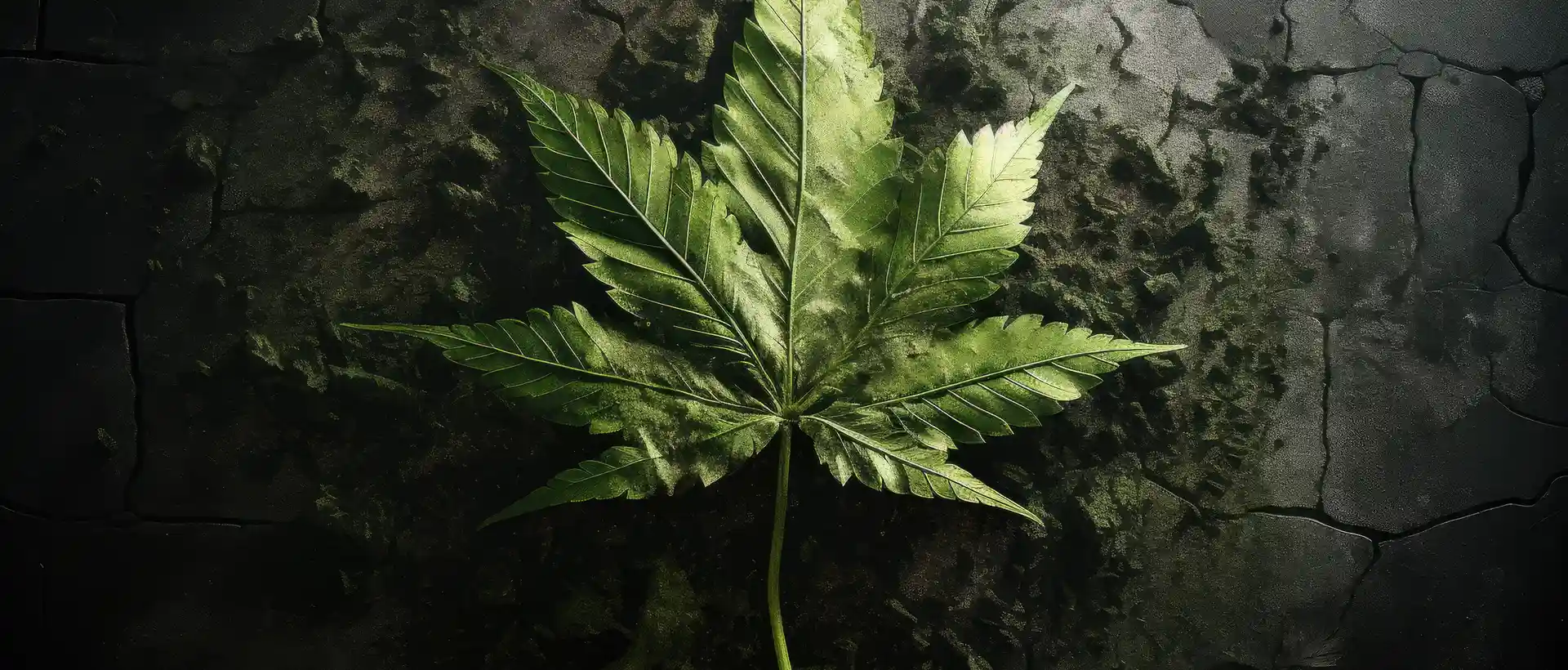
Marijuana, also commonly known as weed or pot, is a psychoactive substance derived from the Cannabis plant. It contains THC (tetrahydrocannabinol), the compound responsible for its mind-altering effects. Marijuana is widely used recreationally and is also prescribed to treat medical conditions such as chronic pain and chemotherapy-induced nausea.
Cannabis is most often consumed by smoking it in joints, pipes, or bongs, but it can also be vaporised, ingested in edible products, or used in the form of oils and tinctures.
Marijuana addiction, clinically referred to as cannabis use disorder (CUD), occurs when a person loses control over their use. The condition involves both physical and psychological patterns of compulsive consumption that interfere with daily functioning. The severity of CUD is typically assessed by a qualified professional using established diagnostic criteria based on specific symptoms.
Signs of Marijuana Addiction
Signs of marijuana addiction can vary, but certain patterns commonly appear. Individuals may experience strong cravings for marijuana and may begin using it in risky situations, such as before driving. Over time, they might neglect responsibilities at work, school, or home, lose interest in hobbies or social activities they once enjoyed, and withdraw from others.
Addiction may also involve using more marijuana than intended, making repeated but unsuccessful attempts to cut back, and continuing use despite experiencing mental or physical health problems. When cannabis use is reduced or stopped, withdrawal symptoms such as irritability, sleep disturbances, changes in appetite, anxiety, and physical discomfort can occur.
Difference Between Dependence and Addiction
The terms dependence and addiction are often used interchangeably, but they refer to different experiences. Cannabis dependency develops when the brain adjusts to frequent use, causing a person to feel off-balance or uncomfortable without the drug. This may result in symptoms like restlessness, mood changes, or trouble sleeping when the drug is not used.
Addiction, on the other hand, goes beyond physical dependency. It involves ongoing, compulsive use even when it leads to serious consequences, such as problems at work, in relationships, or with mental and physical health. While dependency is about the body’s adaptation, addiction reflects a loss of control over use, often requiring more structured support to manage or overcome.
Risk Factors for Weed or Pot Addiction
Understanding marijuana addiction facts also means recognising the range of personal, psychological, and environmental factors that can increase someone’s risk of becoming dependent. By understanding these risk factors, individuals can make more informed choices about their use and better recognise when it may be shifting toward harmful patterns.
Genetic and Psychological Influences
Individuals with a family history of addiction are at a higher risk of experiencing drug-related problems. The THC compound in cannabis directly affects the brain’s reward system. For some people, this system may be particularly sensitive, resulting in stronger effects and a greater urge to continue using.
Mental health conditions such as anxiety, depression, or a history of trauma can also increase vulnerability to cannabis addiction. In these situations, marijuana may initially seem to offer relief, but over time, frequent use can lead to psychological dependence and difficulty coping without it.
Early Initiation and Frequency of Use
Starting cannabis use at a young age significantly raises the risk of developing addiction later in life. This is because areas of the brain involved in decision-making, impulse control, and emotional regulation are still developing during adolescence, making them more susceptible to long-term effects.
How often someone uses cannabis also plays a major role. Daily or heavy use carries a much higher risk of developing addiction than occasional use. When early initiation is combined with frequent use, the likelihood of withdrawal and difficulty quitting increases substantially.
THC Content and Potency
Modern marijuana products often contain significantly higher levels of THC than those available in previous decades, making them more potent and potentially more addictive. High-THC products such as concentrates, oils, and edibles can deliver intense effects very quickly.
People who regularly use high-potency cannabis are more likely to report symptoms such as anxiety, paranoia, and impaired judgment. Even small doses of these products can have strong psychoactive effects, so checking levels on product labels is important for reducing risk.
Co-Occurring Substance Use
Using marijuana alongside other substances, especially alcohol, significantly raises the risk of addiction and health complications. The combination can impair coordination and decision-making more than cannabis alone, leading to a greater risk of accidents or risky behaviour.
Many individuals with marijuana addiction also engage in the use of other drugs, which can complicate treatment and recovery. For those already managing substance use issues, adding cannabis can worsen withdrawal and both mental and physical health outcomes.
Negative Health Effects of Marijuana Use
While marijuana is often perceived as a harmless drug, regular use can still have significant effects on health. The extent of its impact depends on various factors, including frequency of use, dosage, method of consumption, and an individual’s unique susceptibility.
Cognitive Decline and Impairment
Regular use of marijuana is often associated with difficulties in attention, recollection, and reaction time, which can affect functioning. These effects are closely connected to the hippocampus, the brain region responsible for learning and memory. This could explain the problems with planning, decision-making, and problem-solving that are frequently observed in long-term users.
While some cognitive impairments may improve after stopping use, persistent deficits even after years of abstinence are possible, especially for those who start using in their teenage years or those who consume marijuana frequently and in high doses.
Increased Mental Health Risks
High doses of marijuana can cause paranoia, panic attacks, and, in some cases, psychosis, particularly in individuals with a personal or family history of serious mental illnesses such as schizophrenia or bipolar disorder. Caution is essential for these populations, as cannabis use may complicate existing conditions and reduce treatment effectiveness.
Although some people report relief from symptoms of anxiety or depression, heavy or prolonged use of cannabis is linked to an increased risk of worsening mental health conditions. Marijuana may also interfere with medications prescribed for depression and other psychiatric disorders.
Physical Health Complications
Smoking marijuana can irritate the lungs and airways, leading to symptoms like chronic cough and bronchitis. Although current evidence suggests smoking cannabis does not raise lung cancer risk to the same extent as tobacco, inhaling any smoke is harmful to respiratory health. Long-term marijuana smokers may develop respiratory problems similar to those caused by cigarette or tobacco use.
THC also increases heart rate and blood pressure shortly after use, which can be risky for individuals with pre-existing heart conditions. Over time, these effects may contribute to cardiovascular strain, making it important to consider both the short- and long-term health impacts of drug use.
Sleep Quality and Pattern Disruption
While marijuana may help some people fall asleep more quickly, repeated use can reduce overall sleep quality. THC decreases REM sleep, the stage associated with dreaming, memory consolidation, and emotional regulation. Disruption of REM sleep may lead to waking up feeling fatigued and having difficulty concentrating during the day.
People who use marijuana daily to manage insomnia often build a tolerance, requiring higher doses to achieve the same sedative effects. After quitting, many experience vivid dreams and disrupted sleep patterns as their bodies readjust.
Cannabis Use Disorder Treatment Options
Medical Detox
While marijuana withdrawal is generally not life-threatening, some individuals may experience uncomfortable symptoms such as anxiety, sweating, and abdominal pain. Medical detox provides a safe, supportive environment to manage these symptoms during the initial phase of stopping use. It may also involve monitoring for co-occurring substance use or mental health conditions.
Behavioural Therapy
Behavioural therapies can help in addressing addiction by teaching individuals to recognise triggers and develop healthier coping strategies. Cognitive behavioural therapy (CBT) is one of the most effective methods, often used with motivational interviewing (MI) or motivational enhancement therapy (MET) to enhance treatment success.
A 2024 review found that MET and CBT improved cannabis use outcomes, such as frequency of use, abstinence rates, and symptom severity, with benefits lasting three to 15 months after treatment began.
Holistic Treatment
Holistic therapy focuses on healing the whole person, including the mind, body, and spirit. This can include practices such as yoga, meditation, nutrition support, exercise, and mindfulness training, which can all help reduce stress, improve mental clarity, and support emotional balance. Holistic approaches are typically used with psychological treatments to promote overall wellness and resilience.
Residential Rehabilitation
Inpatient or residential treatment offers a highly structured environment for individuals who need more intensive support. These programmes provide 24-hour care, daily therapy sessions, group support, and access to medical professionals. Residential rehab is usually recommended for those with severe addiction, co-occurring health illnesses, or previous unsuccessful attempts to quit.
Aftercare
Aftercare services help maintain progress once formal treatment ends. It may include ongoing therapy, support groups, relapse prevention planning, and check-ins with providers. Aftercare helps individuals stay connected to their recovery goals, manage life stressors, and avoid returning to substance abuse. A strong aftercare plan significantly improves the chances of long-term success.
Addiction Treatment at Kembali Rehab
If you or a loved one is struggling with marijuana use, you don’t have to face it alone. At Kembali, we understand how challenging this journey can be, and we are here to provide compassionate, professional support throughout your recovery.
Our treatment programmes are tailored to meet individual needs, combining evidence-based therapies with holistic care to help you build a strong foundation for lasting wellness. Reach out today.


