

PTSD Treatment Centre Options In Melbourne
Although the number of people suffering from PTSD continues to increase, there is a limited number of treatment facilities that can cater for them locally. Some of them include:
Melbourne is a city that beautifully blends nature with urban life, creating a place that feels alive and welcoming. There’s something special about how its green spaces, like gardens and parks, sit alongside the city’s modern buildings.
The mix of old and new in its architecture tells a story of the past while embracing the future. Whether you’re walking through tree-lined streets or enjoying the riverside, it’s clear that Melbourne values both its environment and its growth. However, beneath these wonderful places, many people continue to suffer from various mental health conditions, including post-traumatic stress disorder (PTSD). This complex disorder develops after someone is exposed to a traumatic event.
Experiencing trauma can lead to different emotions, such as fear, sadness, and anxiety. It’s completely normal to feel this way. However, if these feelings persist and you find yourself trapped in a cycle of constant danger and flashbacks, you might be dealing with post-traumatic stress disorder (PTSD).
PTSD can arise from any situation that threatens your sense of safety. While many people link PTSD to experiences like sexual assault or military combat, it’s important to remember that any event that leaves you feeling hopeless and powerless can trigger this condition.
In the aftermath of trauma, both your mind and body can enter a state of shock. As you process the events and your emotions, you may start to recover. However, with PTSD, this psychological shock can linger. Your memories and feelings may feel disconnected, making it challenging to move forward.


As Australia’s second most populous city with a population exceeding five million, Melbourne’s dense and diverse urban environment presents unique challenges. The high population density increases the likelihood that residents will encounter traumatic experiences, ranging from personal assaults to witnessing a traumatic event, which can lead to PTSD.
Data from the Australian Institute of Health and Welfare highlights that a significant portion of Australians, including Melbourne, have experienced trauma at some point in their lives, with an estimated 11% of the population suffering from PTSD. This shows the critical need for accessible and effective PTSD treatment options in Melbourne.
To support the well-being of its residents, Melbourne must prioritise the expansion and accessibility of mental health services, ensuring that those affected by trauma have the resources they need to heal. This includes providing a range of therapeutic approaches and fostering an environment where individuals feel safe and supported in seeking help.
Although the number of people suffering from PTSD continues to increase, there is a limited number of treatment facilities that can cater for them locally. Some of them include:

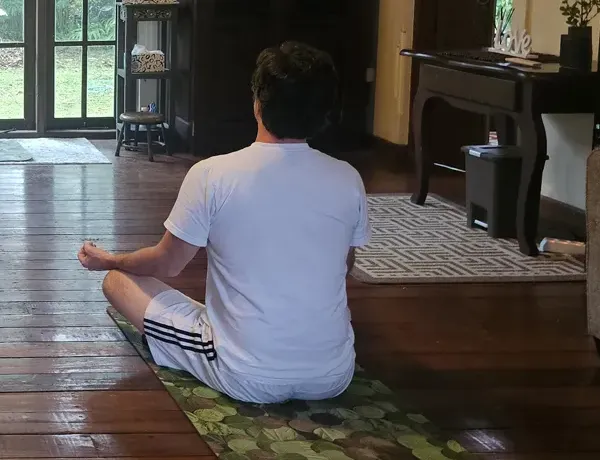
Contrary to what one might expect, seeking treatment in Bali can be a more economical choice without compromising quality. The combination of luxurious accommodations and top-tier therapeutic care available in Kembali often comes at a surprisingly competitive cost, especially when considering the inclusivity of services and the added benefit of a rejuvenating environment.

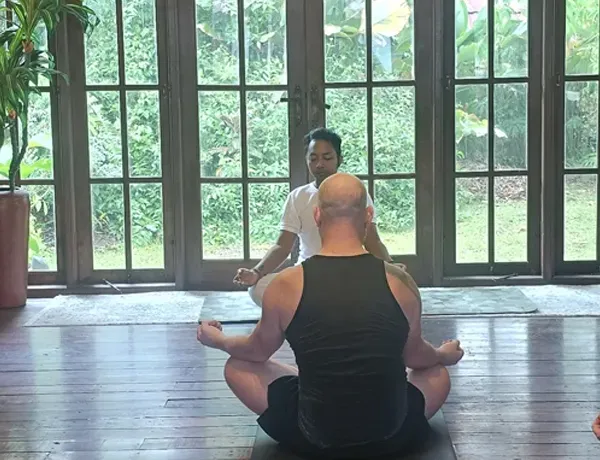


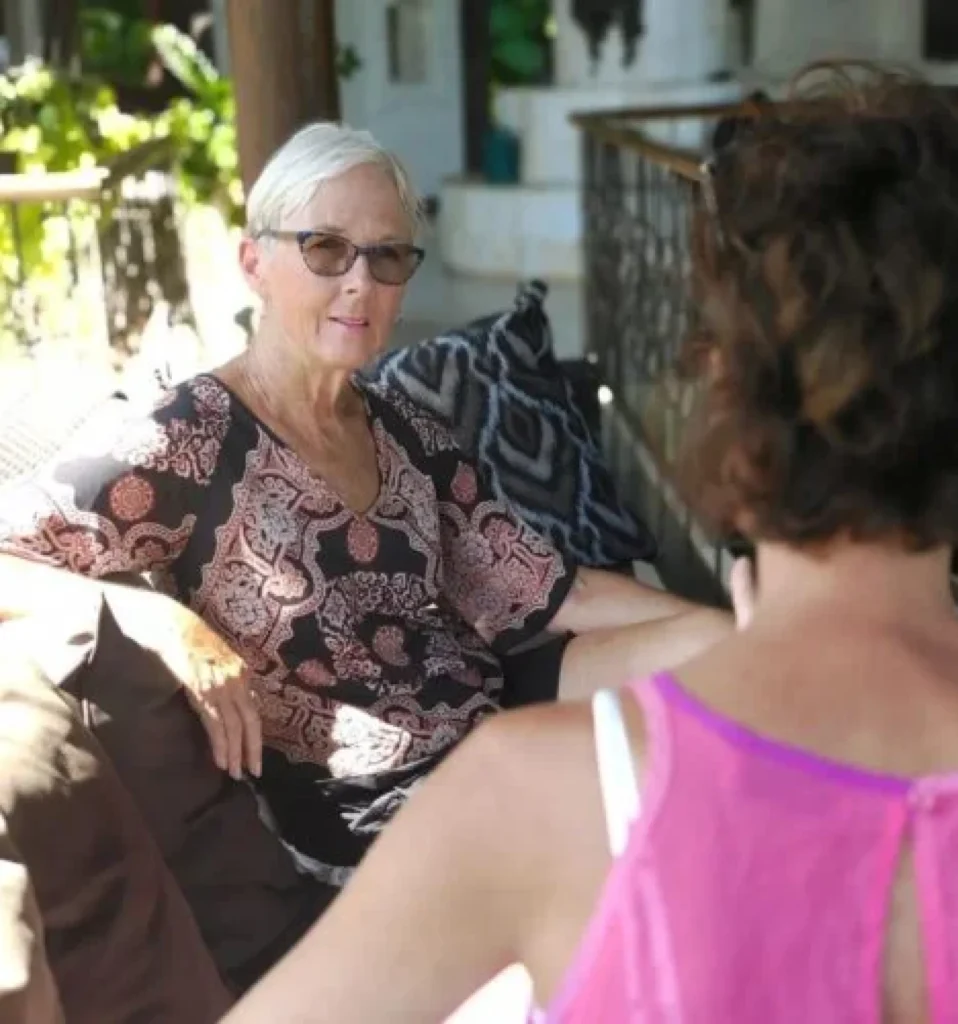
If an individual experiences significant distress following a traumatic event, it is advisable to consult a professional such as a clinical psychologist or psychiatrist. When the symptoms of PTSD persist for more than two weeks, a healthcare provider may suggest initiating treatment for PTSD. A personalised treatment plan typically involves therapy, but medication can also be prescribed if needed.
The fundamental approach to treating PTSD involves addressing the traumatic memory and processing the associated distressing thoughts and beliefs. Evidence-based therapies such as cognitive behavioural therapy and eye movement desensitisation and reprocessing (EMDR) can reduce PTSD symptoms and enhance overall quality of life.
If the individual shows slow or no progress on therapeutic interventions, healthcare providers may recommend certain medications, such as selective serotonin reuptake inhibitors (SSRs) or serotonin and norepinephrine reuptake inhibitors (SNRIs), to manage PTSD symptoms and improve treatment outcomes.
We understand that living with PTSD can feel like an uphill battle, making the simplest moments feel overwhelming. But no matter what you’ve been through, recovery from this condition is achievable.
Whether you’re a veteran, a survivor of trauma, or supporting someone struggling the right support can make all the difference. If PTSD is affecting your daily life, remember that help is within reach. Our compassionate team here at Kembali can help you regain control and find relief.