

Struggling with constant worry, racing thoughts, or the exhaustion of trying to appear “okay” on the outside while battling inner turmoil?
It can all feel overwhelming, and coping alone isn’t always enough. That’s where group therapy for anxiety comes in, connecting you with others who truly understand what you’re going through.
Role of Group Therapy for Anxiety
Group therapy offers a structured and supportive environment where patients with anxiety can connect, share experiences, and work on managing symptoms together. These sessions, led by one or more trained therapists, bring together people facing similar challenges.
The group setting encourages a sense of community, safety, and accountability. Through guided discussions and activities, participants gain insight into their anxiety, learn from others’ experiences, reduce feelings of isolation, and develop healthier thought and behaviour patterns.
Core Techniques in Group Therapy for Anxiety Management
Group therapy for anxiety uses evidence-based and holistic techniques that address various aspects of the condition. Below are some commonly used methods in these sessions:

Cognitive Behavioural Therapy (CBT)
CBT is one of the most effective approaches for treating anxiety. It focuses on identifying and changing negative thought patterns and behaviours that contribute to anxiety symptoms.
Common CBT techniques include thought records, exposure exercises, and role-play scenarios, designed to reduce fear and build confidence. A review of 345 studies conducted between 1987 and 2021 supports CBT’s effectiveness not only for anxiety, but also for other mental health conditions.
Relaxation Techniques
Relaxation techniques are vital tools for managing anxiety, especially when physical symptoms become overwhelming. In group sessions, these exercises are often practised together to help participants build body awareness and improve emotional regulation.
One widely used method is Progressive Muscle Relaxation (PMR), which involves tensing and then slowly releasing different muscle groups to reduce physical tension. Another is box breathing, a simple technique that follows a four-count pattern: inhale, hold, exhale, hold.
Visualisation and Guided Imagery
Guided imagery involves creating vivid, calming mental images or mentally rehearsing challenging situations with a positive and empowering mindset. This practice helps shift your focus away from anxious thoughts and toward more constructive, reassuring scenarios.
For instance, you may imagine yourself confidently giving a presentation, calmly handling questions, and feeling composed throughout. This mental rehearsal can decrease fear and build resilience by familiarising your brain with the situation in a safe, controlled way.
Mindfulness and Meditation
Mindfulness teaches you to focus on the current moment with openness and without judgment. Rather than getting caught up in worries about the past or future, it helps you observe your thoughts and feelings as they come and go, reducing the cycle of rumination and anxious thinking.
In group therapy, mindfulness practices often include guided meditations, body scans, and mindful breathing exercises. Guided meditations help gently redirect your attention to the present, while body scans increase awareness of physical sensations, allowing you to identify and release tension.
What are the Benefits of Group Therapy?
Group therapy offers more than just professional support, it creates a safe space where shared experiences, accountability, and practical strategies make healing feel both possible and sustainable.
Meaningful Peer Support and Connection
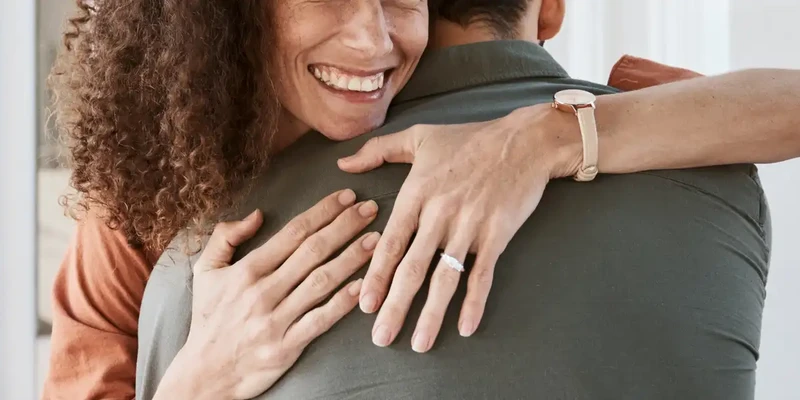
In group sessions, you connect with others who face similar struggles with anxiety. This collective experience helps reduce feelings of isolation and shame, making it easier to open up. Hearing how others cope can also introduce new, practical tools you can try yourself.
Consistent meetings help build trust, foster accountability, and motivate you to apply skills outside of therapy. Supporting others can also boost your confidence and reinforce your own progress. Over time, this mutual exchange cultivates a strong sense of belonging, connection, and hope.
Enhanced Interpersonal Skills
Group therapy offers an encouraging environment to develop and practise social skills that may feel challenging in daily life. Through role-playing, guided discussions, and therapist-led exercises, you can work on real-life conversations, active listening, assertiveness, and interpreting nonverbal cues.
These situations help you feel more comfortable in expressing yourself and navigating social interactions with greater ease. Feedback from group members and therapists provides valuable insight and support for ongoing personal growth.
Increased Self-Awareness
Being part of a group allows you to observe how others respond to difficult situations and reflect on your own emotional patterns and behaviours. Many groups incorporate journaling, regular check-ins, or reflective discussions to support deeper self-awareness.
By identifying common triggers and setting achievable goals, you gain a clearer understanding of your anxiety and how it influences your thoughts and behaviour. This process also helps you track progress and develop personalised strategies for managing anxiety.
Practising Coping Strategies in Real Time
Group therapy offers an opportunity to practise and strengthen coping skills in a low-pressure environment. During sessions, you may work on grounding techniques, mindfulness exercises, or emotional regulation strategies, guided by a trained therapist and supported by peer feedback.
Gradual exposure is often a key part of the process. This may include small, manageable steps such as speaking briefly in front of the group. These exercises help build emotional resilience and boost your confidence in applying these skills between sessions.
Understanding Anxiety
Anxiety can range from mild, occasional worry to severe, persistent symptoms that disrupt daily life. If left unaddressed, these feelings can intensify and affect routines, relationships, and overall wellbeing.
Symptoms of anxiety vary but often include rapid heartbeat, excessive sweating, trembling, nausea or stomach discomfort, restlessness, irritability, difficulty concentrating, sleep disturbances, and a strong sense of impending danger or panic.
While anxiety is a natural human response, when it becomes overwhelming, lasts for months, or feels disproportionate to the situation, it may indicate an anxiety disorder.

Types of Anxiety Disorders
Anxiety disorders take many forms, including generalised anxiety disorder (persistent worry of everyday situations), social anxiety (fear of social situations), panic disorder (recurrent panic attacks), and specific phobias (fear of particular objects or situations), among others.
Identifying the specific type is crucial for effective treatment. Consulting a mental health professional is necessary for an accurate diagnosis and appropriate support.
Anxiety and Addiction
Anxiety often co-occurs with Substance Use Disorders (SUDs), creating a complex and reinforcing cycle that complicates treatment. Anxiety can increase vulnerability to substance use and addiction, while ongoing use may intensify anxiety symptoms.
Many patients also turn to drugs or alcohol to self-medicate, only to find that this coping mechanism deepens dependency and worsens overall mental health. Effective treatment requires an integrated approach that addresses both anxiety and underlying emotional factors simultaneously.
Anxiety Treatment at Kembali
Anxiety can make the world feel smaller, but you don’t have to feel alone. Kembali provides connection, validation, and hope. If you or a loved one feels constantly weighed down by anxious thoughts that are out of control, it may be time to seek professional support.
Reach out to us, we’re here to help you find relief, balance, and a renewed sense of purpose.
Frequently Asked Questions
What are the benefits of group therapy for managing anxiety?
Group therapy provides a safe space to practice social skills, gain insights from others, and receive immediate feedback. It reduces feelings of isolation and helps symptom management over time.
How often are group therapy sessions for anxiety typically held?
Sessions are typically held weekly, lasting 60 to 90 minutes. Some programmes may meet more frequently or follow intensive short-term formats.
What types of activities are involved in anxiety group therapy?
Activities include guided discussions, role-playing, relaxation techniques, and evidence-based coping strategies such as mindfulness practice, goal setting, and problem-solving exercises.
Can cognitive behavioural therapy (CBT) be effectively conducted in a group setting for anxiety?
Yes. Group CBT is effective and includes shared exercises, peer accountability, and practising core CBT techniques such as identifying and challenging unhelpful thought patterns.
What should I look for when choosing a group therapy programme for anxiety?
Look for qualified therapists. Consider group size, structure, therapeutic approach, and whether the group targets general or specific types of anxiety.
How does group therapy for anxiety differ from individual therapy?
Unlike individual therapy, which is more private and deeply focused on personal issues, group therapy involves peer interaction, shared discussions, and multiple perspectives.