

If you’re hoping to stop drinking or even just cut back, medication for alcohol treatment can play a surprisingly helpful role. Certain prescription medicines can reduce cravings, make drinking less rewarding, or help you stay alcohol-free.
Understanding how these medicines work, and what you can reasonably expect, helps you make informed choices about your recovery. Below is a clear look at the main options, their effectiveness, and key considerations before you start.
Overview of Medication for Alcohol Treatment
Many adults meet diagnostic criteria for alcohol use disorder (AUD). Medicines used in the treatment of alcohol use disorder can reduce cravings, lower relapse risk, and make drinking less appealing. They’re most effective when paired with counselling, peer support, or structured therapy.
Purpose of Medications in Alcohol Use Disorder
The core aim is to shift how the brain responds to alcohol. Some agents blunt the “reward” response; others experience steady withdrawal or craving.
- Naltrexone blocks opioid receptors so alcohol feels less reinforcing, which is useful to reduce alcohol use.
- Acamprosate helps restore post-drinking neurochemical balance to support abstinence from alcohol.
- Disulfiram creates an aversive reaction if you drink alcohol, which can deter lapses.
Medicines can support short-term stabilisation or longer-term relapse prevention as part of a personalised treatment plan.
How Medications Support Recovery
Medicines can reduce the noise of cravings so you can focus on counselling, therapy for alcohol recovery, and daily routines.
For instance, acamprosate works best after you’ve stopped, while naltrexone can start while you’re still cutting down. Most people do best with medication plus evidence-based therapies for alcohol use disorder (e.g., CBT), rather than medication alone.
Eligibility and Considerations for Medication Use
Not everyone with AUD needs medication. Your GP will consider drinking patterns, medical history (e.g., liver/kidney disease), other medicines, and your readiness for change. Side effects, cost, and regular follow-up also matter.
If you’re pregnant, have serious medical conditions, or take certain drugs, options may be limited. Discuss these risks and benefits with your therapist before choosing a treatment option.

FDA-Approved Medications for Alcohol Use Disorder
These prescription options reduce cravings or make drinking less appealing. In Australia, prescribers commonly use oral naltrexone and acamprosate.
Disulfiram (Antabuse)
Disulfiram triggers flushing, nausea, vomiting, headache, and tachycardia if alcohol is consumed, even in sauces or mouthwash. It doesn’t treat alcohol craving directly, but it deters drinking through clear consequences.
Daily dosing is most effective when combined with strong routines and support. Make sure to avoid alcohol while taking disulfiram, and review interactions carefully.
Naltrexone
Naltrexone in the treatment of AUD reduces alcohol’s rewarding effects and helps reduce alcohol consumption. Oral daily dosing is common, and in some cases, a monthly injection is recommended, though availability differs. Clinicians usually check liver function and confirm you’re opioid-free before starting.
Acamprosate (Campral)
Acamprosate for alcohol dependence supports abstinence once you’ve already stopped. It’s renally excreted (a consideration for kidney disease) and taken three times daily. Many programmes pair acamprosate with counselling to sustain gains.
Off-Label and Emerging Medications
Some medicines not specifically approved for AUD can help selected patients.
Gabapentin for Alcohol Treatment
Gabapentin for the treatment of AUD can ease sleep disturbance, anxiety, and early withdrawal symptoms. It may support fewer heavy-drinking days in some studies. Use with care in renal impairment and where misuse risk is a concern.
Topiramate as a Treatment Option
Topiramate can reduce heavy-drinking days and cravings when first-line options aren’t suitable. Slow dose titration limits side effects such as tingling, attention issues, taste changes.
Other options, such as baclofen for alcohol use disorder, may be considered off-label in specific cases. There has been also early research on psilocybin for alcohol use disorder, although is exploratory and not standard care. Always discuss risks, benefits, and goals (treatment goal) with your clinician.
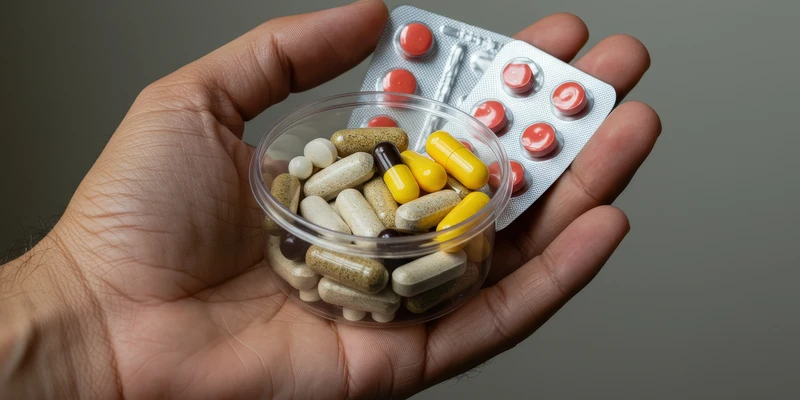
Effectiveness and Outcomes of Medication-Assisted Treatment
Medication-assisted treatment (MAT) using acamprosate, disulfiram, or naltrexone alongside counselling improves outcomes compared with support alone.
Reducing Heavy-Drinking Days
Naltrexone reduces alcohol reward, while acamprosate steadies post-acute symptoms. Together, they can decrease heavy-drinking days and alcohol intake. Tracking your use in a journal or app helps you and your clinician fine-tune your treatment of alcoholism.
Impact on Relapse Rates
Relapse is common in alcohol use disorder, but evidence shows that medication for alcohol treatment can lower the risk.
In a large systematic review including 118 clinical trials and 20,976 participants, 50 mg/day of oral naltrexone and acamprosate were each associated with significantly improved alcohol-consumption outcomes compared with placebo. These findings support both as first-line therapies for alcohol use disorder.
Moreover, medicines work best when combined with counselling, peer support, or structured recovery programs, addressing both the biological and behavioural drivers of alcohol dependence.
Managing Withdrawal and Cravings
Medicines can ease withdrawal and blunt cravings so you can engage in treatment and support. Acamprosate is commonly used after detox, and naltrexone helps with urges in high-risk settings. In selected cases, gabapentin or topiramate may support stabilisation.
Considerations and Access to Medication for Alcohol Treatment
Safety, access, and integration with psychosocial care all shape outcomes with medications for alcohol use.
Side Effects and Safety
Common effects include:
- Naltrexone: nausea, headache, dizziness
- Acamprosate: diarrhoea, abdominal discomfort
- Disulfiram: flushing, nausea, palpitations if alcohol is consumed
Take medicines exactly as prescribed and attend regular reviews. Your clinician will watch for interactions and monitor relevant labs.
Access and Availability in Australia
In Australia, you’ll need a prescription from a primary care clinician or addiction specialist. Barriers include limited prescriber training, stigma, and insurance hurdles. However, patient assistance programmes and community clinics can improve access to treatment for alcohol use disorder.
Integrating Medications with Other Treatments
Medicines work best with counselling (e.g., CBT), mutual-help groups, or digital supports. This integrated approach addresses both biology and behaviour in treating alcohol use disorder and helps sustain alcohol abstinence.
Therapy for Alcohol Dependency
Therapy sits at the centre of care for alcohol use disorder and alcohol dependence, complementing medication for alcohol when needed. A well-constructed treatment plan blends counselling with skills training to reduce alcohol consumption, manage triggers, and support abstinence from alcohol, where that is the treatment goal.

Self-help groups
Peer groups provide practical treatment and support for individuals with alcohol use disorder and their families. Options include SMART Recovery and 12-step fellowships, which help people with alcohol problems build sober networks, practise coping strategies, and stay accountable across the first 12 weeks of treatment and beyond.
Many patients use meetings to maintain alcohol abstinence between sessions and to navigate high-risk situations without needing to drink alcohol. If you’re uncertain where to start, your clinician can suggest meetings that align with your preferences and cultural needs.
12-Step Facilitation Therapy
Twelve-step facilitation (TSF) is a structured, time-limited therapy for alcohol that links you to community fellowships while working toward abstinence from alcohol. Sessions focus on acceptance, surrender (asking for help), and active involvement, often three or more meetings per week early on.
For some, TSF adds the routine and sponsorship needed to stabilise drinking and alcohol use disorder and reduce slips related to alcohol. Clinicians may combine TSF with other therapies when the treatment goal includes repairing relationships or managing co-occurring issues associated with alcohol use.
Cognitive Behavioural Therapy (CBT)
CBT is one of the most studied therapies for alcohol use disorder and remains effective in the treatment of a wide range of presentations, from mild alcohol use disorder to more entrenched patterns. You’ll map triggers, challenge unhelpful beliefs, and rehearse coping skills to reduce alcohol craving and decrease alcohol use in real situations.
Many services pair CBT with naltrexone in the treatment of AUD when the aim is to reduce alcohol rather than insist on immediate abstinence; this pairing can improve adherence and outcomes.
Family therapy
Family-inclusive care recognises that alcohol and drug issues affect the whole system, not just patients with alcohol use disorder. Sessions address communication, boundaries, and safety planning, particularly when there is a family history of alcohol use or conflict related to alcohol use.
For adults with alcohol use disorder, involving partners or caregivers can increase engagement, reduce blame, and support consistent routines at home. Clinicians adapt approaches for parents, couples, and whānau/extended family so changes stick outside the clinic.
Residential treatment programs
When risks are higher (i.e., severe withdrawal, medical instability, or unsafe housing), residential treatment offers 24/7 support. Programmes manage alcohol withdrawal, start or continue medications for alcohol use disorder (for example, acamprosate for alcohol dependence), and integrate daily therapy, health reviews, and peer work.
In selected cases, prescribers may consider gabapentin for the treatment of sleep/anxiety or baclofen for alcohol use disorder off-label, where appropriate and monitored; choices depend on comorbidities and goals. Residential care often begins with a short stay in a detox center, then moves into structured therapy and planning for step-down care, with attention to any alcohol and other drug needs.
Find Help for Alcohol Dependence
If you’re exploring structured care in a supportive setting, Kembali Rehab provides a steady environment to do the work. Our services pair evidence-based therapy with individualised planning and clear aftercare, which can help you recover from alcohol use disorder without losing momentum.
You’ll find a balanced treatment program that addresses both behaviour change and health, with clinicians who understand how substance use disorder intersects with stress, mood, and family life.
We’re ready to help whenever you are.
Frequently Asked Questions
What are the most effective medications for managing alcohol dependence?
Clinicians often prescribe naltrexone, acamprosate, or disulfiram. Each targets different mechanisms in the treatment of alcohol dependence.
Are there any new treatments for alcohol addiction approved by the FDA?
The mainstays remain naltrexone, acamprosate, and disulfiram. Other agents (e.g., topiramate, gabapentin, baclofen in the treatment of AUD) are used off-label; availability and evidence vary.
Can medication for alcohol treatment be used in combination with therapy?
Absolutely. Combining medicines with counselling or mutual-help groups improves outcomes for individuals with alcohol use disorder.
What are the side effects of commonly prescribed alcohol treatment medications?
Naltrexone can cause nausea or headache; acamprosate may cause gastrointestinal symptoms; disulfiram can produce aversive reactions if alcohol is consumed. Discuss risks if you have severe alcohol use disorder or medical comorbidities.
How do medications help in the prevention of alcohol relapse?
They reduce cravings and reward, support abstinence from alcohol, and stabilise post-acute symptoms, especially when paired with behavioural care.
Is there a difference in treatment efficacy between oral medications and injectables for alcohol addiction?
Daily oral dosing requires adherence; monthly depot naltrexone can aid some people’s treatment experience, though availability differs by region.