Pathway 01


Kembali Recovery Center · Bali, Indonesia
The Place Where People Find
Themselves Again
Personalised drug and alcohol rehabilitation in Bali. Through compassionate care, small-group counselling, and meaningful connection, we help you understand yourself more deeply and build practical tools for life in recovery.

A PERSONAL APPROACH TO RECOVERY IN BALI
At Kembali, we take time to understand the person behind the addiction. Our approach explores your physical wellbeing, thoughts, emotions, relationships, and sense of meaning—helping you recognise patterns, reconnect with yourself, and develop practical tools for recovery.
Many of our team members bring their own experience of recovery alongside their professional skills. This helps us create a space for honest conversations, shared understanding, and connection.
Founded by a mother-and-son team, Kembali offers a welcoming home near Ubud, surrounded by Bali’s rice fields. Here, small-group counselling and personal attention give you space to reflect, feel supported, and begin finding your way forward.
YOUR RECOVERY JOURNEY
From holistic detox and residential treatment to ongoing aftercare, we support you with compassion and connection at every stage of recovery.


Our Aftercare programme offers ongoing connection, practical tools, and compassionate guidance to support your recovery as you return to everyday life.

Supporting your body and mind through detox, with rest, nourishment, and compassionate support alongside appropriate medical care.
Why Kembali
Discover how to access Superannuation to help pay the costs of rehab and addiction treatment with Release My Super.

With just four clients and two counsellors in each small group, there is space to be heard, understood, and actively involved in your recovery.

Our signature two-day workshop invites you to explore how you relate to yourself and others, encouraging honest reflection, deeper understanding, and meaningful connection.
A WARM WELCOME TO KEMBALI
Considering recovery can bring uncertainty, questions, and mixed emotions. You may be looking for yourself or someone you love. Wherever you are right now, you’re welcome to start a conversation with us.
At Kembali, we take time to listen to your story, understand what you’re facing, and explore how we might help. You don’t need to have all the answers before reaching out.
Our approach brings together professional care, lived experience, and meaningful connection in a welcoming setting in Bali. We support you in understanding yourself more deeply and finding a way forward that you can carry into everyday life.
It begins with a conversation.

FIND YOUR WAY FORWARD
Reaching out can feel like a big step. Whether you’re seeking support for yourself or someone you love, we’re here to listen, answer your questions, and explore what comes next. At Kembali, you’ll be met with compassion, understanding, and space to share your story.
You may have spent so long getting through each day that you’ve lost touch with what matters to you—your interests, your values, and the way you want to live.
At Kembali, we make space to explore those parts of yourself. Through reflection, shared experiences, and moments of enjoyment, you can begin to discover what feels meaningful and what you want to carry forward.
Coming back to yourself can mean recognising what you value, allowing yourself to grow, and choosing your next steps with greater awareness.
Watch our video for a glimpse of what that can look like at Kembali.
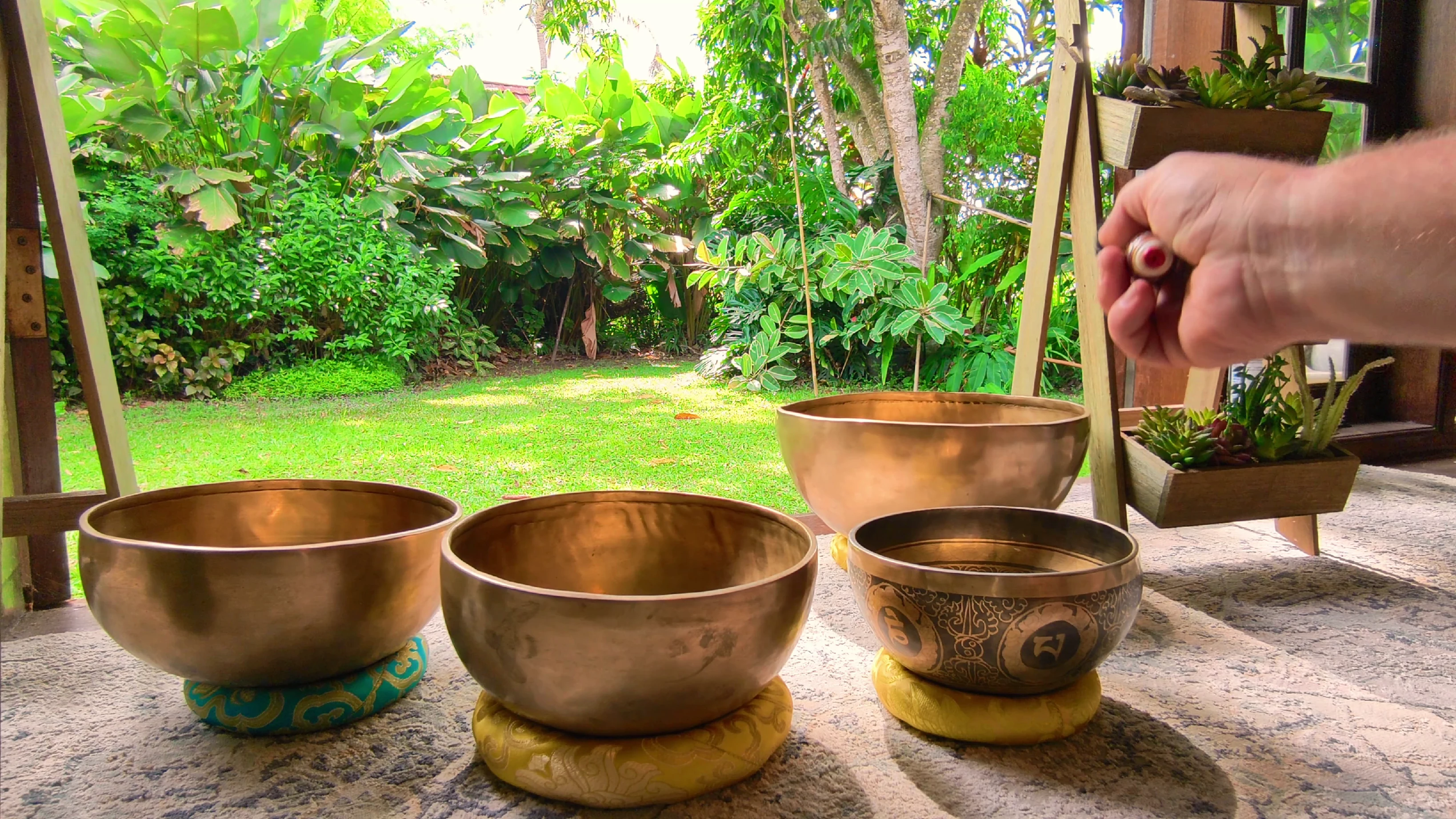

Spirituality is woven into everyday life in Bali—in offerings, ceremonies, and the importance placed on community. This atmosphere invites you to slow down, reflect, and explore your own sense of meaning.
Surrounded by rice fields and tropical gardens, there is space to be still and notice what often gets lost in a busy life. Alongside your treatment, moments of meditation, mindful movement, and experiencing Balinese traditions can offer opportunities for reflection and renewal.
You don’t need to follow a particular faith. There is room to explore what spirituality means to you, whether that is connection with nature, a sense of belonging, or finding greater purpose.

Beginning recovery at home can mean navigating familiar pressures while trying to make changes. Work demands, daily responsibilities, and places associated with substance use can make it difficult to give yourself your full attention.
Coming to Bali offers distance from those everyday distractions. A different setting gives you breathing space to examine familiar patterns, practise new routines, and focus on the work you came here to do.
At Kembali, that time away is also preparation for returning home. You can explore how to respond to challenges, establish boundaries, and build habits that support your recovery in everyday life.
EXPERIENCE BALI
When substances have been central to your social life or how you unwind, it can be hard to imagine enjoying yourself without them. Recovery is an opportunity to explore what brings you pleasure, excitement, and fulfilment.
Trying something new gives you a chance to discover interests, build confidence, and experience enjoyment without alcohol or drugs. You might surprise yourself, share a laugh, or find something you want to keep doing when you return home.
At Kembali, we make room for adventure alongside the deeper work of recovery. These experiences help you explore a question that matters: what do you want to fill your life with?


At Kembali, activities offer different ways to reconnect with yourself—from movement and creative expression to quiet moments of rest. Explore what feels good for you and discover interests you can carry into life beyond treatment.
The Sanctuary


BEGIN YOUR RETURN

In Bali, more of your day can unfold outdoors—a morning walk through rice fields, a meal in the open air, or a quiet afternoon in the garden. These simple moments bring a different rhythm to your time in treatment.
At Kembali, our tropical surroundings make room for movement, rest, and time in nature alongside counselling. You can begin exploring everyday habits that feel good to you and give your days structure and enjoyment.
The experiences may begin in Bali, but the routines you discover can become part of the life you build at home.

Arriving somewhere new can bring relief, uncertainty, and plenty of questions. Your first days at Kembali are about settling in, meeting the people around you, and getting familiar with daily life here.
We take time to learn about your experiences, understand your needs, and explain what to expect. There is space to ask questions, rest, and begin getting to know your counsellors and fellow clients.
You don’t need to arrive feeling confident or knowing exactly what to say. We’ll help you find your feet as you take these first steps.
Everyone’s relationship with alcohol or drugs is different. You may be concerned about your use, finding it difficult to stop, or watching someone you love struggle.
At Kembali, we take time to understand your experience and explore the support you need, including whether detox is appropriate. Below, you can learn more about the substances we help people move away from—and how recovery can begin.
Alcohol withdrawal can be serious. Medical assessment and supervised detox help you take this first step with care, reassurance, and support.
Coming off benzodiazepines requires a gradual, medically guided approach. A personalised reduction plan helps manage withdrawal while supporting your physical and emotional wellbeing.
Opioid withdrawal can feel overwhelming. Medical support can ease symptoms and cravings, with ongoing treatment helping you move forward beyond detox.
Stopping methamphetamine can bring exhaustion, low mood, and strong cravings. Early support focuses on rest, nourishment, and caring for your emotional wellbeing.
Stopping marijuana can affect sleep, appetite, and mood. Support through withdrawal helps you navigate these changes and begin building new daily routines.
Heroin withdrawal can be physically and emotionally challenging. Medically supported care helps manage discomfort and connects this first step with continued recovery support.
Dependence can develop even when medication is taken as prescribed. Medical guidance helps you understand your needs and plan a supported withdrawal where appropriate.
Synthetic drugs vary widely, so withdrawal support starts with understanding what you’ve taken. Individual assessment helps identify the care your body and mind need.
Coming off cocaine can bring fatigue, disrupted sleep, low mood, and cravings. Support focuses on emotional wellbeing, rest, and the next steps in recovery.

Our group sessions bring together just four clients with two counsellors, giving everyone space to contribute and receive personal attention. Two counsellors offer different perspectives while helping each person feel heard and included.
Together, we explore topics such as boundaries, relationships, emotional awareness, self-worth, the Drama Triangle, and relapse prevention. Through honest conversations and shared reflection, you can recognise familiar patterns, practise communicating differently, and discover that others understand more than you might expect.

Alongside group work, you’ll have a one-on-one counselling session once per week. This dedicated time offers privacy to explore personal concerns, reflect on what’s coming up, and discuss experiences you may find difficult to share in a group.
Together with your counsellor, you can make sense of what you’re learning, work through individual challenges, and identify practical next steps. It’s an opportunity to bring the wider programme back to your own life and goals.

Recovery touches many parts of life. Our Wellness Wheel sessions invite you to look at how those areas connect—from physical and emotional wellbeing to relationships, purpose, work, and everyday responsibilities.
You’ll explore what feels fulfilling, what needs attention, and where you’d like to make changes. By turning these reflections into small, achievable goals, the Wellness Wheel helps you build a clearer picture of the life you want and the steps you can take towards it.
reason description.Begin Your Return